

IAE 2027 to Highlight AI’s Role in Accelerating African Critical Minerals
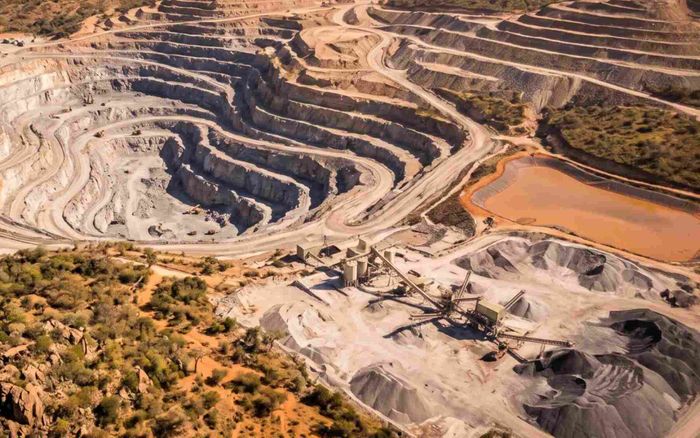
Artificial intelligence and digital exploration tools are reducing the cost and time of developing critical minerals projects across Africa. Digitized geological archives and AI-led surveys are giving producing countries a faster route to defining their resources. A dedicated technology session within the Strategic Minerals Forum at Invest in African Energy (IAE) 2027 will examine how the shift is changing early-stage project development. Taking place in Paris on May 11–13, IAE will bring technology providers and project capital to the table with African governments, whose licensing and data decisions shape the next cycle of exploration investment.
In February, the Democratic Republic of Congo, whose geological archives include records dating to the early 20th century, signed a five-year agreement with U.S. firm Atlas Park. The company will use proprietary AI software to re-examine historical deposit data and run new geological surveys to drive investment. Findings will be shared with the DRC's national geological service, strengthening the country's own subsurface knowledge base as it works to expand copper output.
In Zambia, KoBold Metals used AI-powered analysis of drilling and geological data to advance Mingomba, considered one of the world's largest and highest-grade undeveloped copper deposits, after acquiring the project in 2022. Construction on the $2.3 billion mine began in April, well ahead of most conventional exploration-to-development timelines. Mingomba is designed to produce 300,000 tons of copper per year and is central to Zambia's target of reaching 3 million tons of annual output by 2031.
KoBold is applying the same model in Burundi, where it signed an agreement with the government in March to digitize national geological data and make it publicly available. The agreement was signed in Washington alongside a deal granting Lifezone Metals exclusivity over the Musongati nickel project, where earlier studies point to cobalt and platinum group metals among potential by-products. IAE 2027 opens on May 11 with a Business-to-Government (B2G) Day, where African governments will present project opportunities like Musongati directly to investors.
The U.S. Trade and Development Agency (USTDA), an institutional partner of IAE 2027, works at the next stage of the project cycle, funding feasibility studies carried out by U.S. companies so American technology is built into African projects before major institutional capital is committed. In September, the agency agreed to fund a pre-feasibility study for Buenassa Resources' proposed copper and cobalt refinery in the DRC's Lualaba Province. Its grant to Metalex Africa covers geological data collection and resource assessment at the Kazozu mine in Zambia.
The technology session at IAE 2027 will connect AI and exploration companies with African mining ministries and with investors seeking earlier visibility on resource quality. As more producing countries open their geological archives to AI-led analysis, IAE serves as the forum where their exploration results are matched with capital and technical partners.
IAE 2027 takes place May 11–13 in Paris. Organized by Energy Capital & Power, the forum connects African energy and mining projects with global capital. To sponsor or participate, please contact sales@energycapitalpower.com. Register at www.invest-africa-energy.com.